There was a specific feeling that came with walking into a Hollywood restaurant in the 1950s. The atmosphere felt cinematic, familiar, and effortless at once. The booth felt like it was already yours. The bartender knew your drink. Someone across the room might have been on a film poster that week. Dining was theater, and the city built an entire culture around it. Classic Hollywood restaurants became part of LA nightlife, entertainment culture, and social life.
That era left a mark on Los Angeles that no amount of renovation has fully erased. We still search for restaurants with that same sense of comfort, familiarity, and occasion. This blog explores what made 1950s Hollywood restaurants so distinct, what shaped their food, look, and crowd, and why a few places in Los Angeles still carry that spirit.
The Scene That Defined an Era
In the 1950s, Hollywood was the center of American cultural production, and its restaurants were where that culture lived between takes. These restaurants were social stages where Hollywood dining culture unfolded nightly. Reserved corners for producers, booths for stars between studio calls, tables filled with writers, musicians, and industry regulars, all shaped the energy of the room.
The physical setting felt deliberate. Red banquettes, dark wood, low lighting, and neon details created a warm atmosphere that instantly felt familiar. The room itself contributed to the experience. You walked in and understood immediately what kind of evening you were in for. That's what Golden Age dining in Hollywood actually meant.
What Was Actually on the Menu
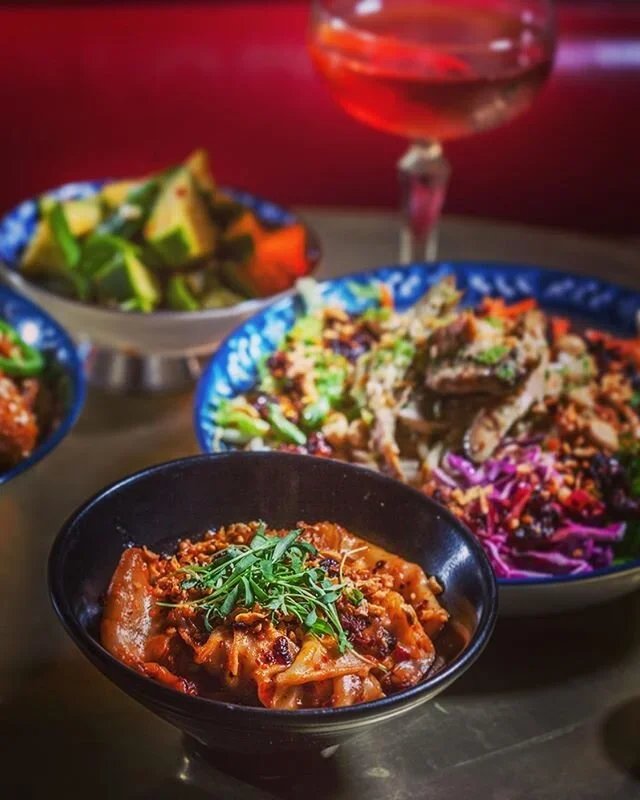
1950s Hollywood menus focused on comfort, familiarity, and generous portions. Classic American diner staples often appeared alongside Chinese-American dishes and continental favorites, reflecting postwar Los Angeles evening food culture.
Cocktails also played a central role in the experience. Martinis, Manhattans, and Old Fashioneds were part of the ritual, not an afterthought. A well-made drink at the bar often set the tone for the entire evening.
This mix of approachable food and classic cocktail culture helped shape mid-century dining in Los Angeles. The goal was never to overwhelm diners with novelty. It was to create a meal people wanted to return to again and again.
The Influence of Postwar Dining Culture
Postwar optimism influenced both restaurant culture and dining habits. Eating out became more social, more celebratory, and more routine for many Angelenos. Restaurants reflected that shift through lively dining rooms, larger portions, and menus designed for long evenings rather than quick meals.
That balance between comfort and occasion is part of what still makes vintage Hollywood dining appealing today.
The Regulars, the Booths, and the Unspoken Rules
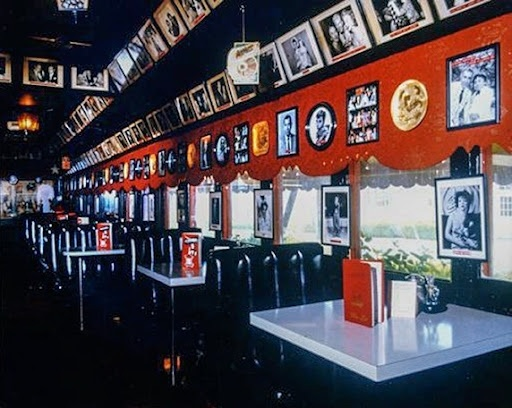
Every great Hollywood restaurant had a hierarchy, and everyone in the room understood it without being told. Certain booths were associated with familiar guests. The bartender knew when to talk and when to step back.
Regulars shaped these mid-century LA restaurants just as much as the menus did. Long lunches, post-production dinners, and late-night conversations created the sense of familiarity people still associate with classic Hollywood dining culture.
The experience felt personal without being forced. That comfort and consistency became part of the restaurant’s identity over time.
Why So Few Restaurants Survived
Hollywood changed significantly after the 1950s. The studio system evolved, dining habits shifted, and rising real estate costs reshaped much of Los Angeles. Many once-iconic restaurants disappeared as ownership changed or trends replaced long-standing concepts.
The restaurants that survived shared a few things: a loyal local following, an identity beyond celebrity association, and a physical space with enough history in the walls to resist reinvention. Most places didn't have all three. The ones that did are timeless and the ones we still talk about.
What We're Still Looking For When We Walk Into a Classic Room
When we walk into a room with dark wood, red leather, and a properly lit bar, something settles. It's the atmosphere that 1950s Hollywood restaurants built, and that modern dining often trades for noise and novelty. The booth, the dim light, the well-made drink, that combination worked because it was designed for human comfort, not for photographs.
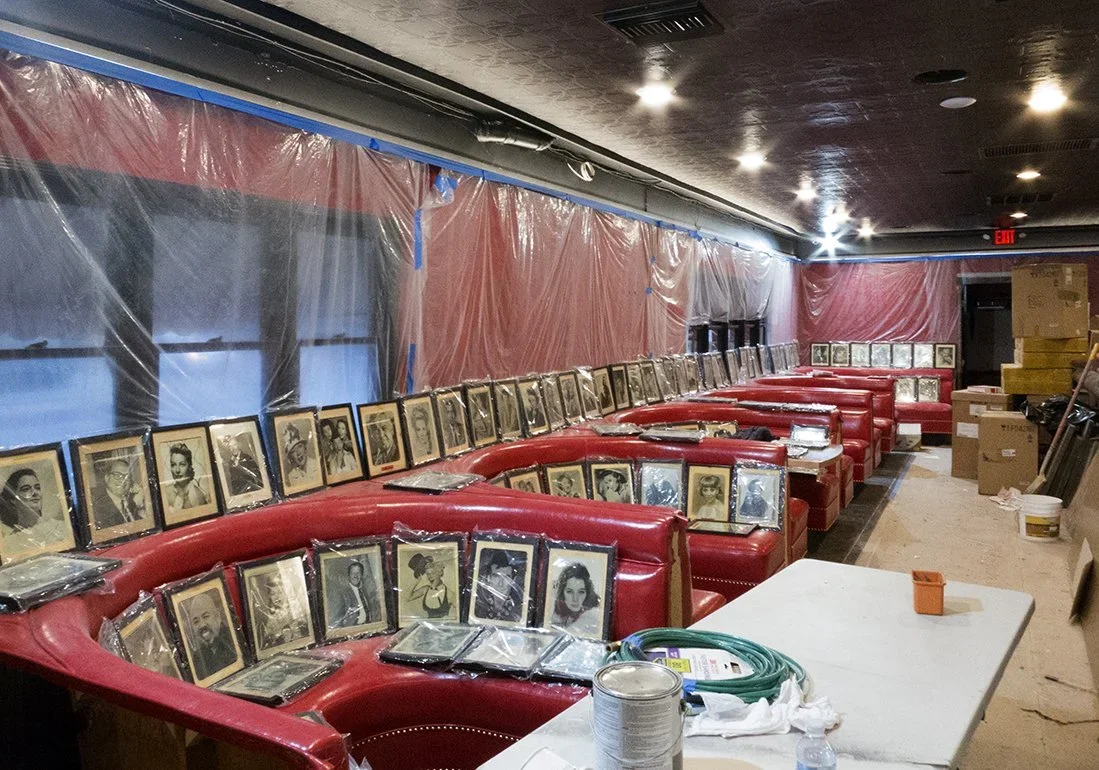
The Formosa Cafe on Santa Monica Boulevard carries that continuity in West Hollywood. The restored dining room and the red trolley car are not recreations. They are original features that have been maintained over decades. That's a different thing entirely from vintage Hollywood dining that's been staged to look the part.
Frequently Asked Questions
What restaurants were popular in Hollywood in the 1950s?
Ciro's, Chasen's, Perino's, the Brown Derby, and Formosa Cafe were among the most frequented, each with its own crowd and character within the broader Golden Age dining scene.
What was dining culture like in 1950s Los Angeles?
It blended glamour with accessibility, shaped by car culture, studio schedules, and postwar prosperity that made eating out feel like a regular and rewarding ritual.
Are there any surviving 1950s-era restaurants in Hollywood?
Very few remain with genuine historic roots intact; Formosa Cafe on Santa Monica Boulevard in West Hollywood is one of the rare places with an unbroken connection to that era.
Some Things Don't Need to Be Recreated
What made 1950s Hollywood restaurants worth remembering was never just the food. It was the atmosphere, the ritual, the sense of being inside a room that knew its own role in the city's story. That feeling takes decades to earn, not a design cycle or two.
We keep the booths, the bar, and the history at Formosa Cafe because that's what the room has always been. If you want to sit somewhere that has genuinely been part of Hollywood's story for generations, we'd be glad to have you.
Planning a night out in West Hollywood? Reserve a table at The Formosa Cafe and experience a historic Hollywood restaurant that still carries the spirit of old Los Angeles.
Cheers,
Your Formosa Family