
Ever hear someone call a Chinese restaurant “classic” and assume they just mean old? Not quite. Classic is when the flavors still hit you exactly the way you remember. The food quality stays consistent. The experience feels familiar. There’s a little nostalgia in the room. And instead of chasing trends, the place stays rooted in its culture. That’s the kind of consistency diners keep coming back for.
Places that constantly change to match every trend can lose their identity in the process. Classic Chinese restaurants stay true to their original identity and create the kind of consistency diners can count on every visit.
From nostalgic interiors to familiar dining rituals, the atmosphere also shapes the experience. Traditional Chinese cuisine often centers on familiar flavors, regional cooking techniques, and shared experience. This blog explains what a classic Chinese menu looks like, the role of comfortable atmosphere, and what actually defines a classic Chinese restaurant experience in Los Angeles and beyond.
What Defines a Classic Chinese Menu
A classic Chinese cuisine menu is often built for sharing, while still making individual ordering easy. It shines most when people at the table eat together. Traditional Chinese cuisine isn’t just about regional flavors. It’s about balance on the table: different flavors, different textures, and temperatures working together so the meal never feels repetitive. Familiar dishes often win over ones that try too hard to impress.
How Menus Are Designed for Groups
Dishes are placed at the center, not plated individually, so meals feel more social and flexible.
The goal is not finding one “best” dish. Variety matters more for satisfaction.
Food often arrives as it is ready, rather than following a strict appetizer-to-main-course pacing.
A classic Chinese restaurant menu is built around balance, familiarity, and shared experience, not novelty. This structure is a defining feature of both traditional Chinese cuisines and modern Chinese-American dining.
The Role of Ambiance and Interior Design
Classic Chinese restaurant interiors feel familiar. Red tones bring warmth, wood adds depth, booths feel settled, and lantern-style lighting creates softness instead of glare. The ambiance in these spaces is not just about aesthetics. It signals comfort and continuity, quietly telling you to settle in.
Trend-driven interiors are designed for quick visual impact. Vintage, timeless spaces are designed for comfort and repeat visits.
Why Ambiance Shapes Memory
Guests remember how comfortable they felt in a place more than what they ordered.
Soft lighting, comfortable spacing between tables, and lively music make it feel natural to stay longer.
When a restaurant maintains a consistent visual identity, it builds its identity over time.
From vintage decor to red booths and the iconic trolley car, The Formosa Cafe preserves its timeless identity, and people return for that consistent atmosphere. In a classic Chinese restaurant in West Hollywood, ambiance is part of the experience, not a backdrop.
Understanding Chinese Dining Etiquette
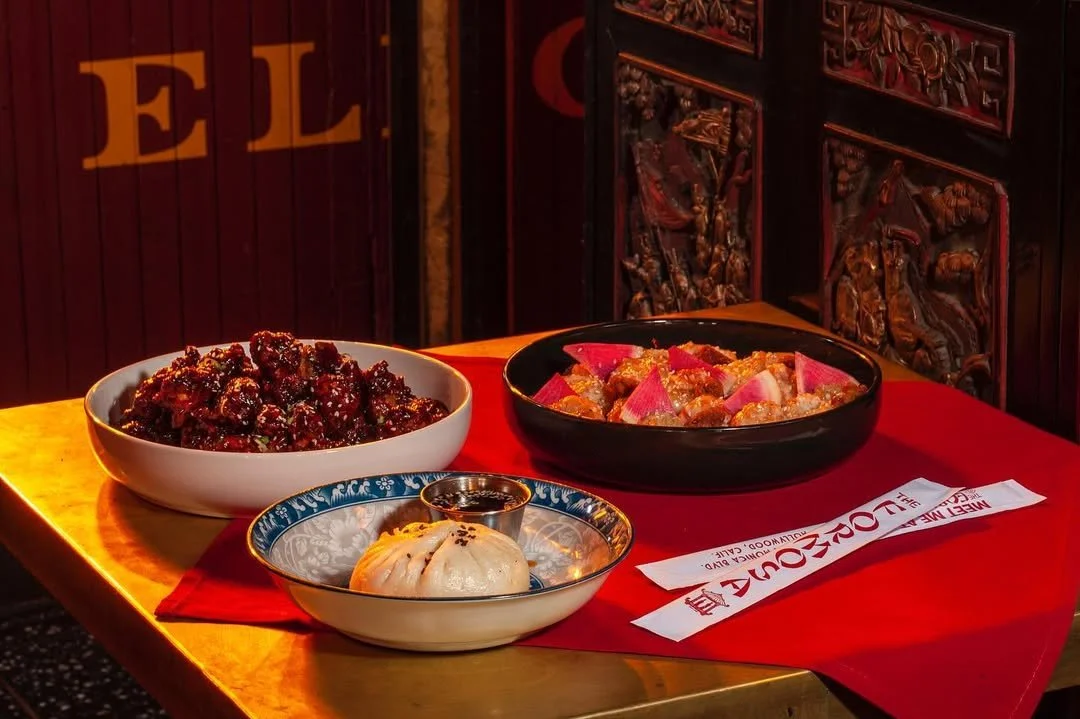
You don’t “follow” Chinese dining etiquette; you fall into it. It reflects respect, sharing, and how groups interact. There isn’t a fixed checklist. You just move with the flow and stay in sync with the table.
Key Etiquette Guests Notice
Sharing dishes is expected. Chinese cuisine, such as Orange Chicken, Chow Mein, Fried Rice, and Dumplings, is served in larger portions meant to be shared.
Guests often serve others before themselves as a gesture of consideration.
Pace flows naturally. People talk between bites. No rush on ordering or eating.
Chinese restaurant etiquette is less about rules and more about how people dine together.
Why Consistency Defines “Classic”
Repeat visits matter more than first impressions. It’s not about one great night; it’s about it being just as good the next time you walk in. That’s what defines a classic Chinese restaurant rooted in traditional Chinese cuisine.
When you order a dish and if it tastes the same every time, it builds trust. You know what you’re getting. No second-guessing the menu. Consistency is not just about the food. It’s how the room feels, how the service flows, how the atmosphere holds up over time.
People come back for that familiar feeling. The nostalgia of past visits. The memories attached to the place. Restaurants that constantly change their identity often break that connection.
Classic Chinese restaurants maintain consistency, making the experience something guests can return to with confidence.
Choosing the Right Classic Chinese Restaurant
A few small cues and questions usually tell you if the experience will hold up beyond the first visit:
Does the space feel lived-in or staged? If it feels relaxed but not boring, that’s a good sign.
Is the menu built for sharing? A classic Chinese-American menu usually leans toward variety.
Do people return regularly? Familiar faces often signal consistency.
Does the atmosphere support lingering? Comfortable seating and balanced noise usually mean the place is designed for longer meals.
From the ambiance and menu to consistency and atmosphere, The Formosa Cafe reflects what defines a classic Chinese restaurant experience.
Where The Formosa Cafe Fits In
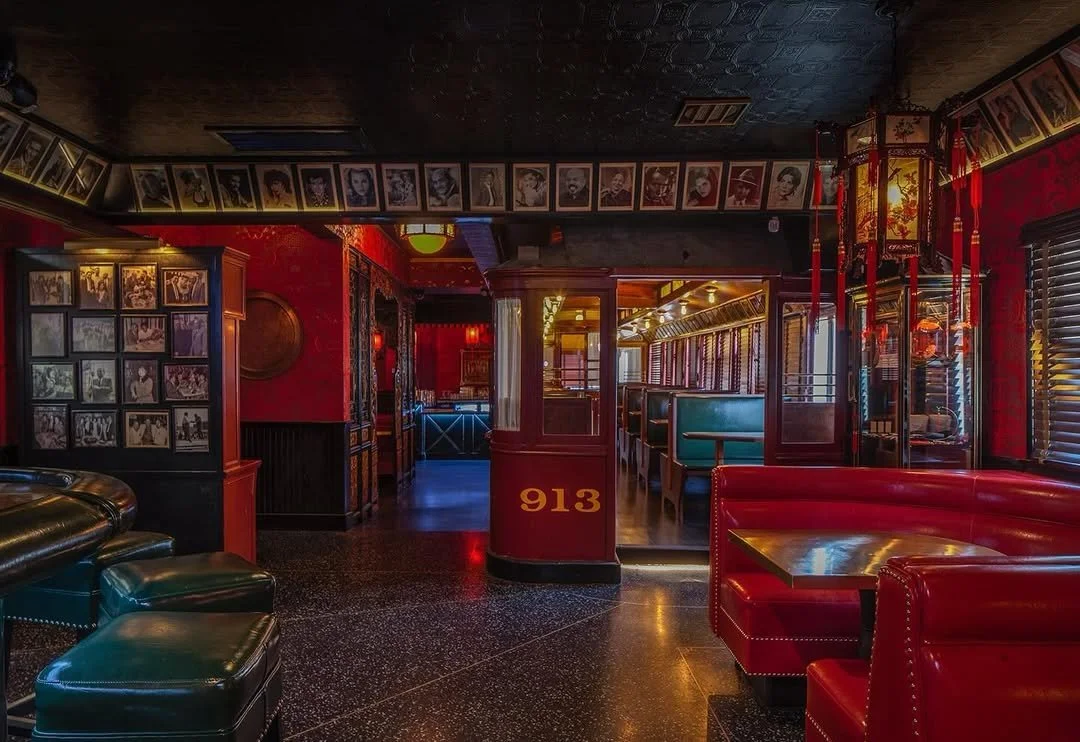
The Formosa Cafe is a classic Chinese-American restaurant with a deep-rooted place in Hollywood’s dining history. Opened in 1939 and located on Santa Monica Boulevard in West Hollywood, it sits within LA’s cultural and entertainment landscape.
Our Chinese-American menu brings together familiar dishes and cocktails, with a fresh but recognizable approach.
The interiors stay true to that legacy. Red booths, vintage décor, and the iconic trolley car still define the space. It’s a place that feels consistent, not one that relies on trends to stand out. Guests can dine in, make reservations, or plan group gatherings with ease. Planning a visit? Making a reservation is always a smart move to avoid last-minute disappointment.
FAQs
What makes a Chinese restaurant feel “classic”?
Consistency, familiar dishes, a comfortable space, and an experience that feels easy every time.
Is sharing food important in Chinese dining?
Yes, most meals are meant to be shared across the table.
Do I need to order many dishes?
Usually, yes, a mix of dishes gives a better experience than just one plate.
Are classic Chinese restaurants formal?
Not really, they’re more relaxed and social than formal.
Why do people keep going back to the same places?
Because they know what to expect and trust the experience.
A Dining Experience That Lasts
A classic Chinese restaurant doesn’t just mean old. A shareable menu, historic ambiance, relaxed etiquette, and consistency in food, service, and atmosphere are what define the classic Chinese restaurant in Los Angeles.
People return for familiarity and comfort, not trends. The Formosa Cafe in West Hollywood brings these elements together through the setting, history, and consistent dining experience.
Planning a group dinner or a relaxed night out? Visit The Formosa Cafe for a classic Chinese-American menu for a convenient dining experience.