A historic Los Angeles restaurant can preserve more than just a building or a menu. It can keep a piece of the city's social history active by giving people a place to gather, dine, and create new memories. In Hollywood, where neighborhoods and businesses have changed dramatically over the decades, that continuity matters.
From the spaces that hosted generations of industry regulars to the details that still define them today, this blog looks at how historic restaurants preserve Hollywood's cultural legacy and why The Formosa Cafe remains part of that story.
Why Historic Restaurants Matter
Historic restaurants give a city a physical connection to its past. Their significance comes not only from how long they have been open, but from the people, occasions, and everyday moments that have taken place inside.
A West Hollywood restaurant with history can preserve that connection through its architecture, atmosphere, hospitality, and traditions. When those elements remain part of the current experience, history becomes something guests can experience rather than simply read about.
The Details That Keep History Alive
The character of a historic restaurant lives in the details. These elements help connect the past to the experience guests have today.
A Room Can Tell Its Own Story
Original design elements often carry as much meaning as written history. Booths, bars, signage, photographs, and architectural details can show how a space has changed while still preserving its identity.
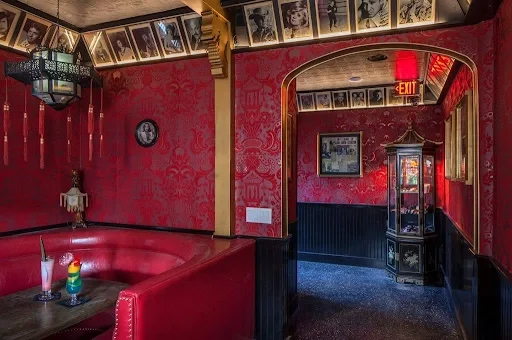
At The Formosa Cafe, the historic setting remains central to the experience. The original red trolley car, dating to 1904, is part of the restaurant, while restored interiors and memorabilia help connect today's guests with the generations who came before them.
History Needs a Present-Day Purpose
Preservation works best when a historic restaurant remains useful. People need a reason to visit beyond looking at old photographs or architecture.
That is why food, drinks, and hospitality matter. A restaurant keeps its cultural legacy alive when guests continue to use the space for dinner, celebrations, cocktails, and ordinary nights out.
The Formosa Cafe's Place in Hollywood History
The Formosa Cafe opened in 1939 on Santa Monica Boulevard in West Hollywood, across from the former Samuel Goldwyn studio lot. Its location near the entertainment industry helped establish its role as a gathering place for Hollywood figures and locals alike.
The restaurant's history is visible throughout the space, from its booths and memorabilia to the restored trolley car. The Formosa also preserves the stories of Chinese American talent in early Hollywood through archival photographs and artifacts on display in the restaurant.
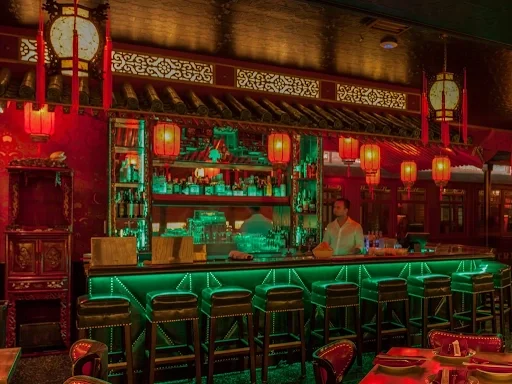
Today, the restaurant pairs that history with Chinese-American dining and cocktails, allowing the space to remain part of Los Angeles culture rather than simply a reminder of it.
Preserving Culture Through Dining
Food can be another form of cultural preservation. A menu can reflect the traditions, influences, and communities that helped shape a restaurant's identity while still adapting to contemporary diners.
At The Formosa Cafe, the Chinese-American menu connects the restaurant's culinary history with its current role in West Hollywood. The experience is not about recreating a particular decade. It is about carrying the restaurant's identity forward.
Why Historic Restaurants Still Attract New Generations
A historic restaurant has an advantage that cannot be recreated overnight: accumulated meaning. First-time guests may arrive out of curiosity about the history, while returning guests come for the atmosphere, food, cocktails, or familiarity.
That combination keeps historic spaces relevant. The past gives the restaurant character, but the people dining there today are what keep that character alive.
FAQs
What makes a restaurant historically significant?
A restaurant becomes historically significant through longevity, cultural relevance, and a meaningful connection to its community and surroundings.
What is a Hollywood restaurant with history?
The Formosa Cafe is a longstanding West Hollywood restaurant with deep ties to Hollywood's entertainment history. It opened in 1939 and continues to operate today.
How do historic restaurants preserve culture?
They preserve culture through their spaces, traditions, food, stories, and continued role as places where people gather.
Is The Formosa Cafe still open?
Yes. The Formosa Cafe continues to welcome guests on Santa Monica Boulevard in West Hollywood, serving Chinese-American food and cocktails in its historic setting.
A Living Part of Los Angeles History
The value of a historic restaurant lies not simply in its survival. It is that the space still has a purpose. Every new guest adds another moment to a story that has already lasted generations.
The Formosa Cafe continues that tradition in West Hollywood. If you want to visit a historic Los Angeles restaurant where history remains part of the dining experience, meet us at The Formosa Cafe.