The golden age of Hollywood and its dining scene were inseparable. Where the film industry gathered, restaurants followed, and the best of them became more than places to eat. They became part of Los Angeles' cultural identity, shaping how the city dined, celebrated, and connected.
Here's how Old Hollywood helped define restaurant culture across Los Angeles and why that legacy still matters today.
When the Hollywood Restaurants Became Part of the Story
Studios concentrated talent, power, and creative energy into a few Los Angeles neighborhoods, and nearby restaurants quickly became gathering places. Lunch was never just lunch. Casting decisions, contract talks, and creative conversations happened around restaurant tables as often as they did inside studios.
The restaurants that became part of Hollywood's daily rhythm developed an identity beyond their menus. They offered familiar spaces where people returned again and again, helping shape the restaurant culture Los Angeles is still known for today.
The Postwar Dining Boom That Defined LA Food Culture
The 1940s and 1950s reshaped how Los Angeles ate. The city expanded rapidly, the entertainment industry flourished, and dining out became an occasion rather than just a necessity. People wanted restaurants that offered atmosphere alongside memorable food.
Chinese-American cuisine naturally became part of that shift. Restaurants serving Chinese-American dishes offered generous portions, shareable meals, and late-night service that suited Hollywood's unpredictable schedules. Over time, they became a lasting part of Los Angeles restaurant culture rather than simply another dining option.
Why Shared Dining Became Part of Hollywood Culture
Dining out during Hollywood's golden era was rarely rushed. Meals stretched across multiple courses, cocktails flowed throughout the evening, and shared dishes encouraged conversation around the table.
That social approach to dining continues today, with many guests choosing family-style meals and lingering over dinner instead of treating it as a quick stop.
Why Some West Hollywood Restaurants Endured
Most restaurants built on a moment disappeared with it. A strong opening, a celebrity association, a season of visibility, then silence. The ones that survived were built on something steadier: neighborhood loyalty, repeat guests, and consistent hospitality that kept people coming back year after year.
Redevelopment erased many originals. Changing ownership stripped others of what made them distinctive. A room can survive a renovation, but it rarely survives losing its identity. The restaurants that endured held onto a genuine sense of place, something trends could never replace.
How Design Shaped the Way Hollywood Dined
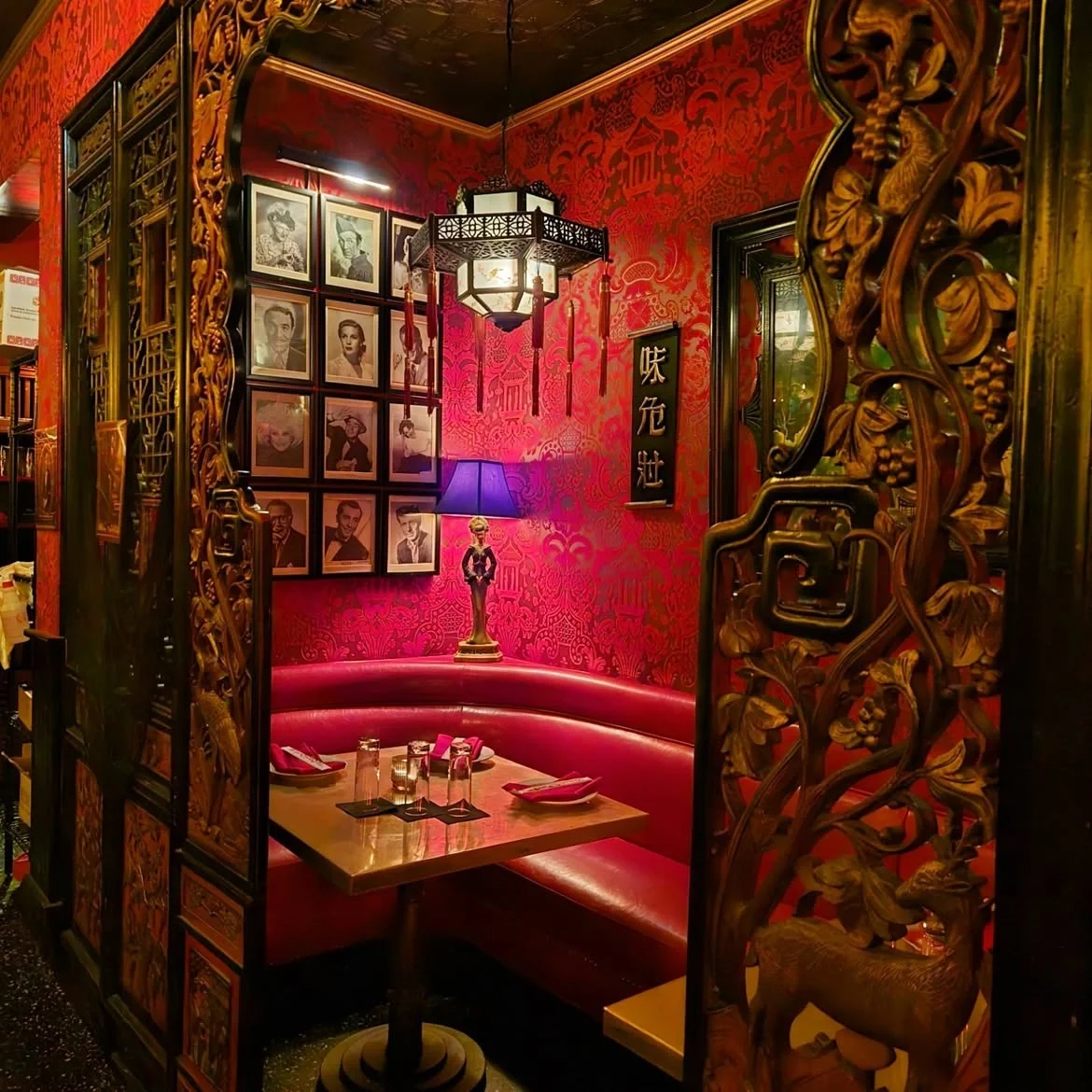
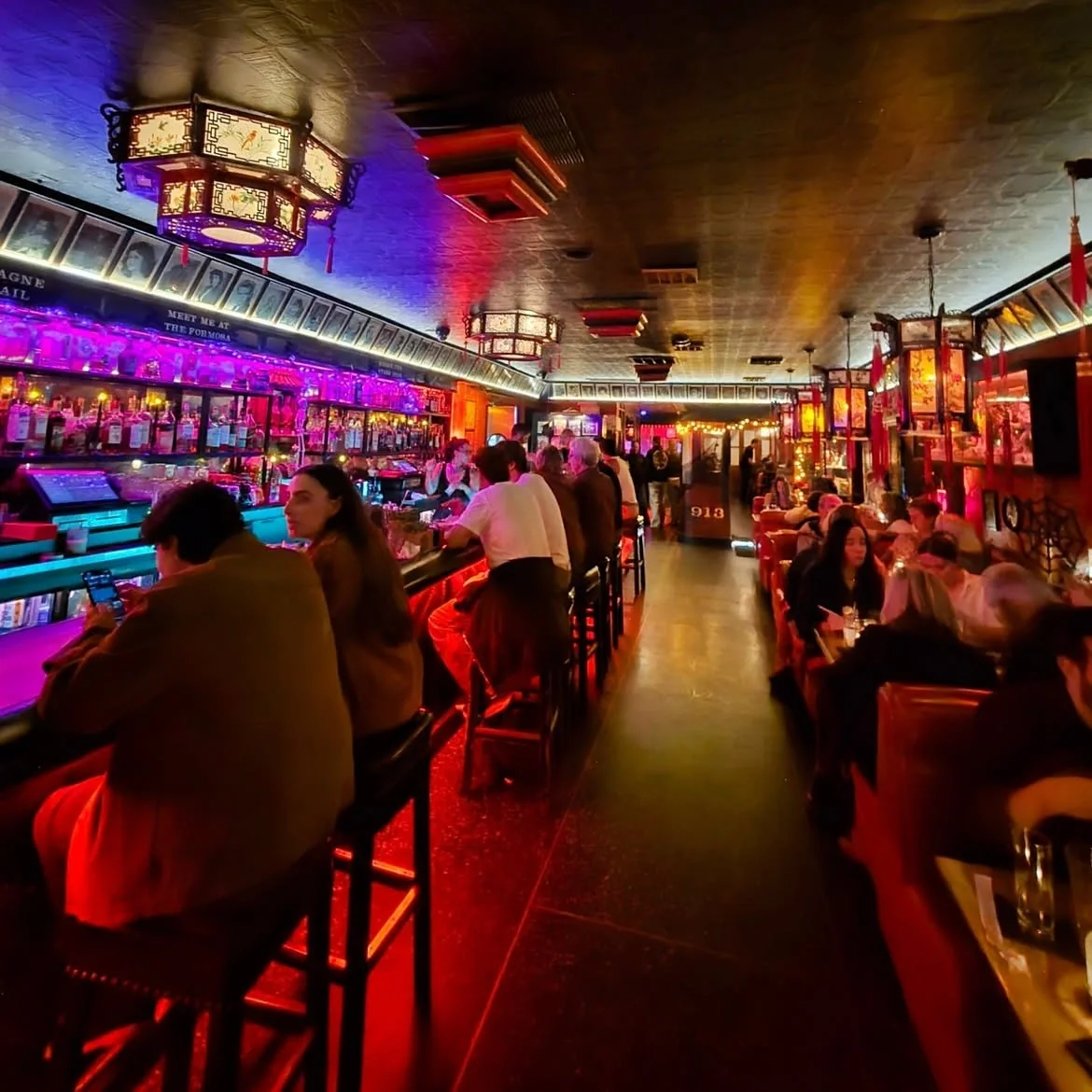
Lighting, booth placement, and room layout did more than create atmosphere. They influenced how guests experienced an evening from the moment they walked in. Warm lighting created intimacy. Comfortable booths encouraged longer conversations. Every design choice helped turn dinner into an occasion.
Those ideas continue to shape restaurants today. Guests still gravitate toward spaces that feel welcoming, comfortable, and thoughtfully designed. While dining trends continue to evolve, the fundamentals of a memorable restaurant experience remain surprisingly familiar.
Why the Formosa Cafe Became More Than a Restaurant
Located on Santa Monica Boulevard in West Hollywood, The Formosa Cafe has long been part of the neighborhood's dining culture. Its connection to Hollywood's creative community helped establish it as more than simply a place to eat.
Today, that legacy continues through a restaurant that values shared Chinese-American dishes, handcrafted cocktails, and genuine hospitality. Rather than recreating Old Hollywood, The Formosa Cafe continues serving the kind of dining experience that has made it part of Los Angeles restaurant culture for generations.
Whether guests stop in for dinner, cocktails, a celebration, or a casual evening out, the focus remains the same: creating an experience that encourages people to slow down, connect, and enjoy the moment together.
Why Restaurant Traditions Still Matter Today
Dining trends constantly evolve, but certain traditions continue because they bring people together. Sharing dishes across the table, lingering over cocktails, celebrating milestones in familiar restaurants, and returning to places with genuine history remain part of Los Angeles dining culture.
Historic restaurants continue to attract both locals and visitors because they offer something trends cannot: continuity. A restaurant with a real story provides more than a meal. It creates a sense of connection to the neighborhood, making birthdays, anniversaries, date nights, and celebrations feel even more meaningful.
FAQs
What makes a restaurant a Hollywood landmark?
Age alone is not enough. A landmark restaurant combines longevity with cultural significance, community connection, and a dining experience that continues to resonate with guests today.
Where can I experience Old Hollywood dining in Los Angeles?
A few historic restaurants still preserve the atmosphere and dining traditions of Old Hollywood. The Formosa Cafe is one of West Hollywood's longstanding examples.
Why is Chinese-American cuisine part of Hollywood history?
Its shareable dishes, welcoming atmosphere, and late-night service made it a favorite for both Hollywood professionals and locals.
What should I look for in a historic Los Angeles restaurant experience?
Look for a restaurant with authentic character, welcoming hospitality, quality food and cocktails, and a genuine connection to its neighborhood. Those qualities create an experience that feels timeless rather than manufactured.
Why This Legacy Still Matters
Old Hollywood shaped far more than the film industry. It influenced how Los Angeles gathered, celebrated, and experienced restaurants as places to connect. Many of those traditions remain just as meaningful today, from lingering over cocktails to sharing dinner around the table with family and friends.
At The Formosa Cafe, we're proud to continue that tradition in West Hollywood.
Stop by The Formosa Cafe for handcrafted cocktails and Chinese-American favorites in one of the neighborhood's most iconic dining destinations.